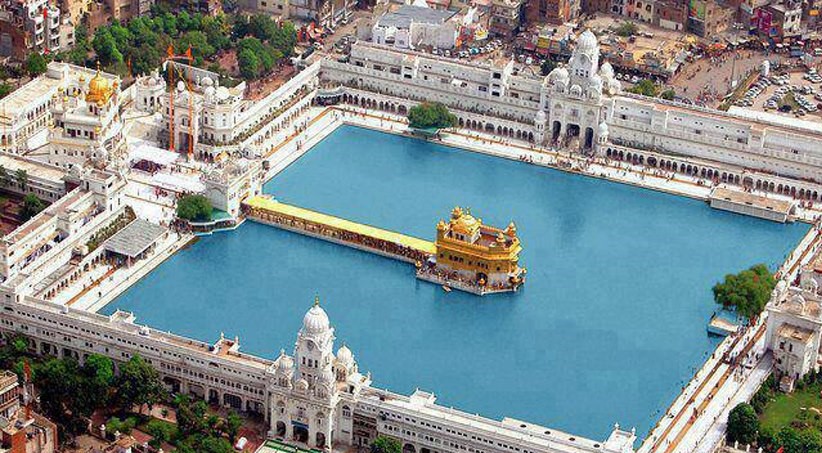
Golden Temple Amritsar
The Golden Temple: A Beacon of Faith, Culture, and Service
A Tapestry of Time: History of the Golden Temple
The Golden Temple, or Harmandir Sahib, stands as a testament to the enduring spirit of Sikhism. Its origins trace back to the 16th century when Guru Ram Das, the fourth Sikh Guru, envisioned a central place of worship. Under the guidance of Guru Arjan Dev, the fifth Sikh Guru, the temple’s construction was completed in 1604. The Mughal era brought periods of persecution and destruction, but the Sikh faith’s resilience ensured its resurgence. Maharaja Ranjit Singh, in the 19th century, adorned the temple with gold, giving it its iconic appearance. The British colonial era and subsequent Indian independence shaped the temple’s role in the modern world.
Architectural Marvel: A Symphony of Faith and Design
The Golden Temple is a masterpiece of Indo-Islamic architecture, blending elements of Hindu, Rajput, and Islamic styles. Its most striking feature is the central shrine, covered in pure gold, which reflects the sunlight, creating a dazzling spectacle. The Sarovar, a sacred pool, surrounds the temple, symbolizing purity and regeneration. Intricate carvings, delicate frescoes, and the overall design reflect the deep symbolism embedded in Sikhism.
The Heart of Sikhism: Faith and Practice
As the holiest shrine for Sikhs worldwide, the Golden Temple is the epicenter of their faith. The continuous recitation of the Guru Granth Sahib, the Sikh holy scripture, fills the air with spiritual resonance. The concept of langar, a communal kitchen serving free meals to all, embodies the Sikh principle of equality and service. Seva, selfless service, is a cornerstone of Sikh practice, exemplified by the countless volunteers who contribute to the temple’s functioning.
A Global Beacon: Tourism and Impact
The Golden Temple’s allure extends far beyond the Sikh community. It’s a major tourist attraction, drawing millions of visitors annually. This influx of Sikh Tourism has boosted the local economy, creating employment opportunities and infrastructure development. However, it also poses challenges in preserving the temple’s sanctity and managing the increasing crowds.
Challenges and Conservation
The Golden Temple faces a multitude of challenges, including preserving its architectural heritage, managing the influx of visitors, addressing environmental concerns, and ensuring security. Balancing the demands of tourism with the preservation of the temple’s spiritual essence is a delicate task.
A Tourist’s Guide: Exploring the Golden Temple
Visiting the Golden Temple is a spiritually enriching experience. Adhering to the dress code, respecting the sanctity of the place, and exploring nearby attractions like Jallianwala Bagh, Akal Takht, and Durgiana Temple enhance the visit.
Amritsar Tourism offers a rich cultural tapestry with its cuisine, shopping, and historical sites.
Sikhism: The Foundation of Faith
Understanding Sikhism enriches the experience of visiting the Golden Temple. The Five Ks, the core beliefs, and the significance of the Guru Granth Sahib provide a deeper appreciation for the temple’s role in the Sikh faith.
Conclusion: A Beacon of Hope and Unity
The Golden Temple stands as a living testament to the enduring spirit of Sikhism. It’s a place of worship, a cultural icon, and a symbol of hope and unity. Its ability to adapt to changing times while preserving its core values is a testament to its resilience.